Lattanzio KIBS supports the Kingdom of Tonga in the design and implementation of a monitoring and evaluation system aimed at strengthening social and health services and support for caregivers
The Government of the Kingdom of Tonga is implementing the Integrated Aged Care Project to respond to the growing needs of an ageing population within an island context marked by limited resources and high exposure to the long-term effects of climate change. In this framework, strengthening social and health services and elderly care systems represents a key priority for national public policies.
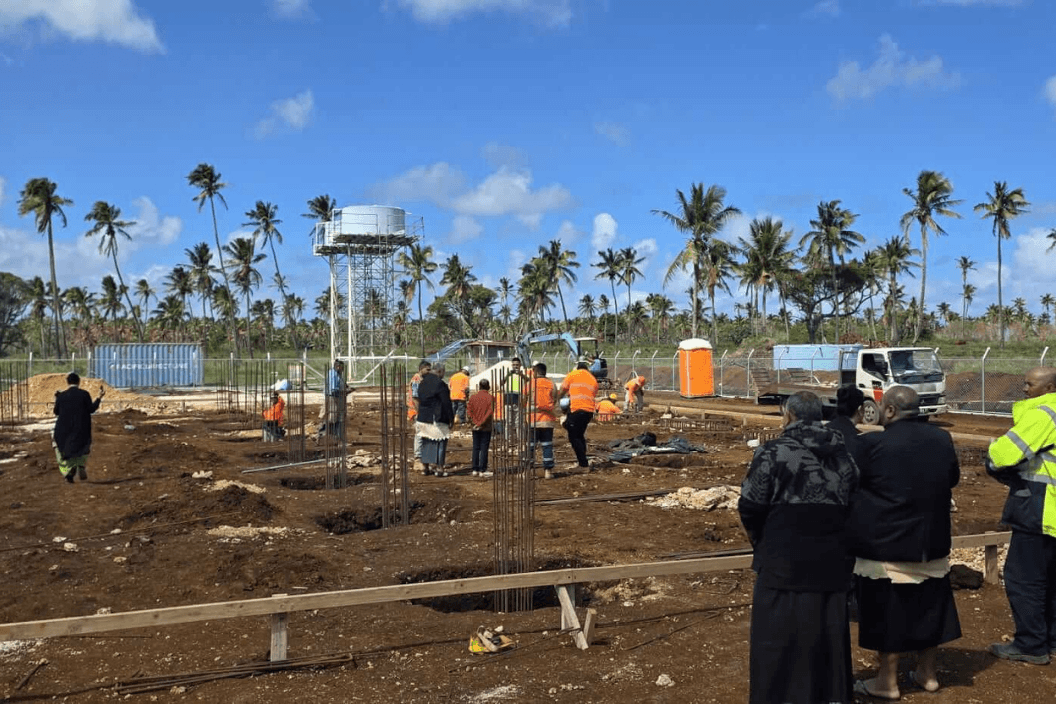
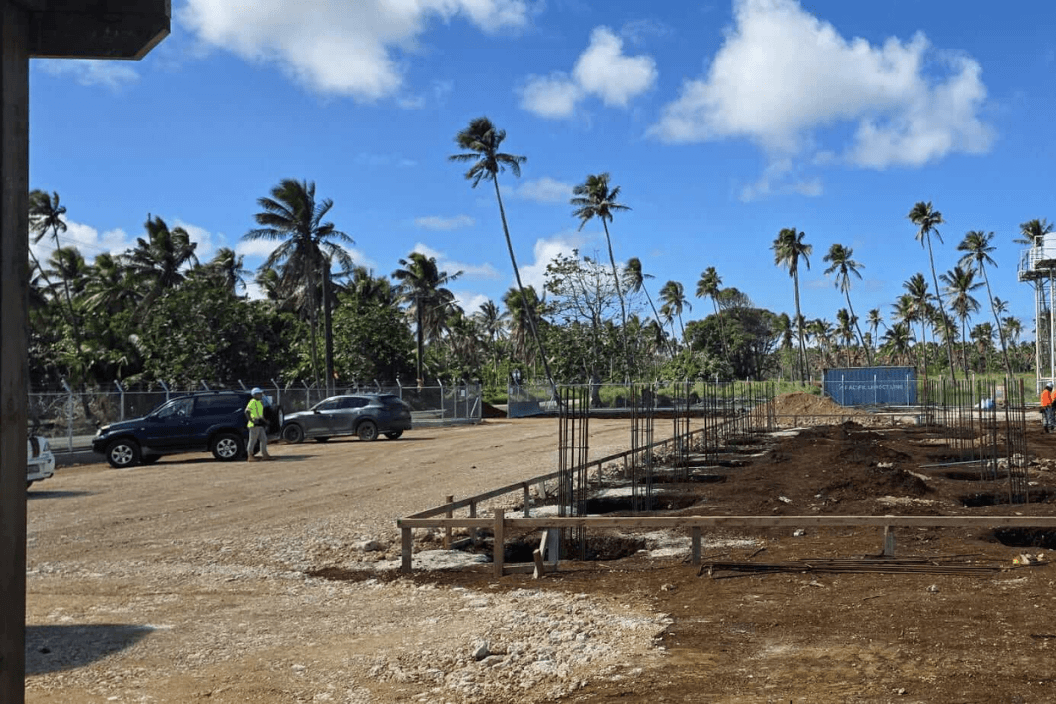
The project, financed by the Asian Development Bank with contributions from the Japan Fund for Prosperous and Resilient Asia and the Pacific and the Climate Change Fund, aims to enhance Tonga’s aged care system by addressing major structural gaps in care services through an integrated and multisectoral approach. The initiative is implemented across multiple islands and over a multi-year timeframe, combining infrastructure investments, social protection measures, and actions to prevent vulnerabilities and conditions of fragility affecting older persons and caregivers. The adopted approach seeks to ensure the sustainability, adaptability, and replicability of the model within the Pacific context.
More details
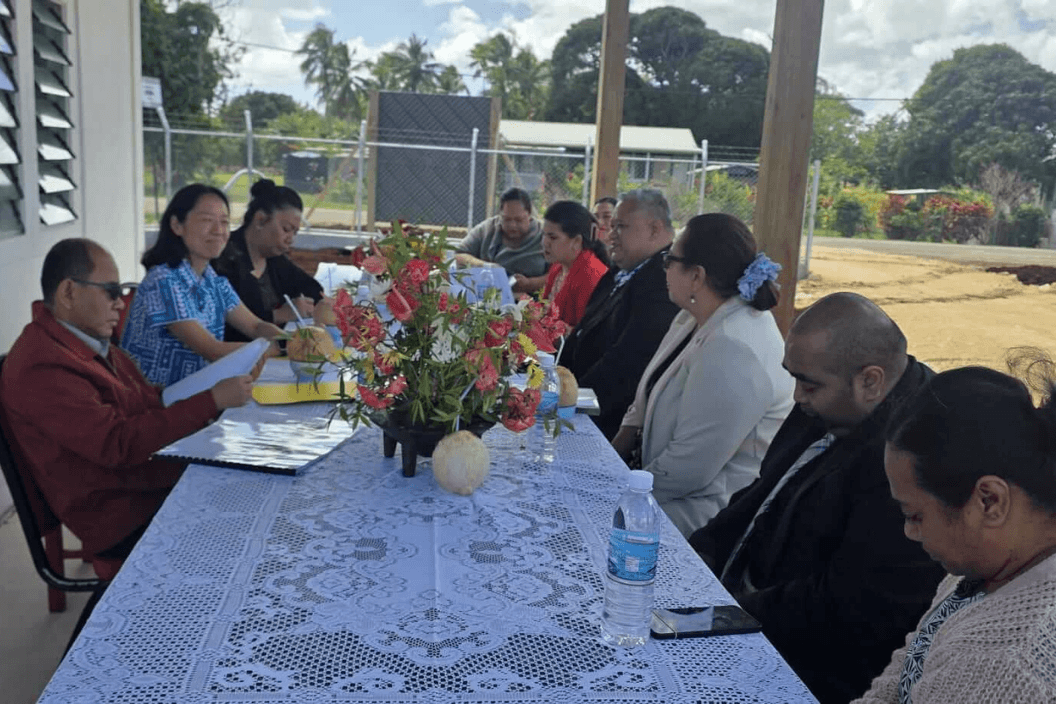
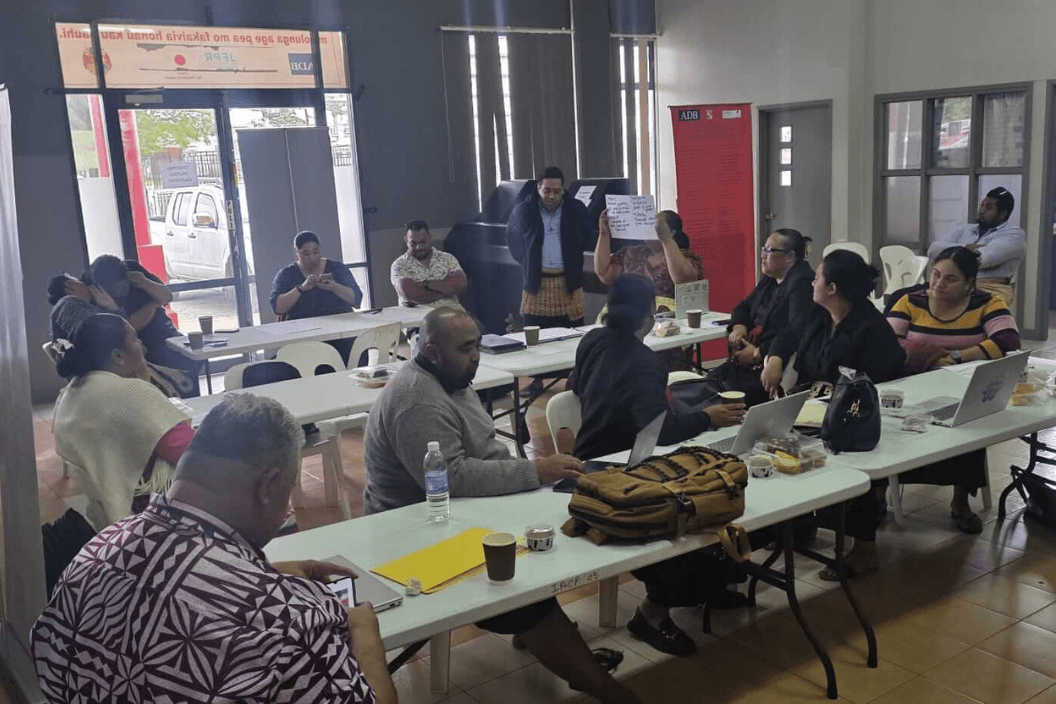
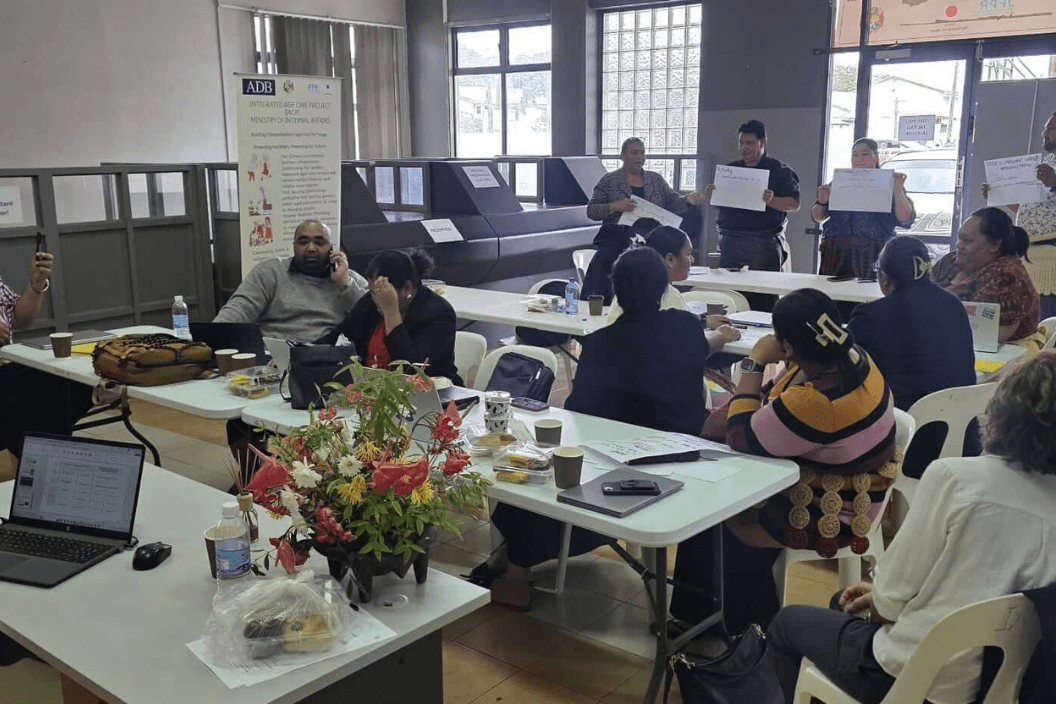
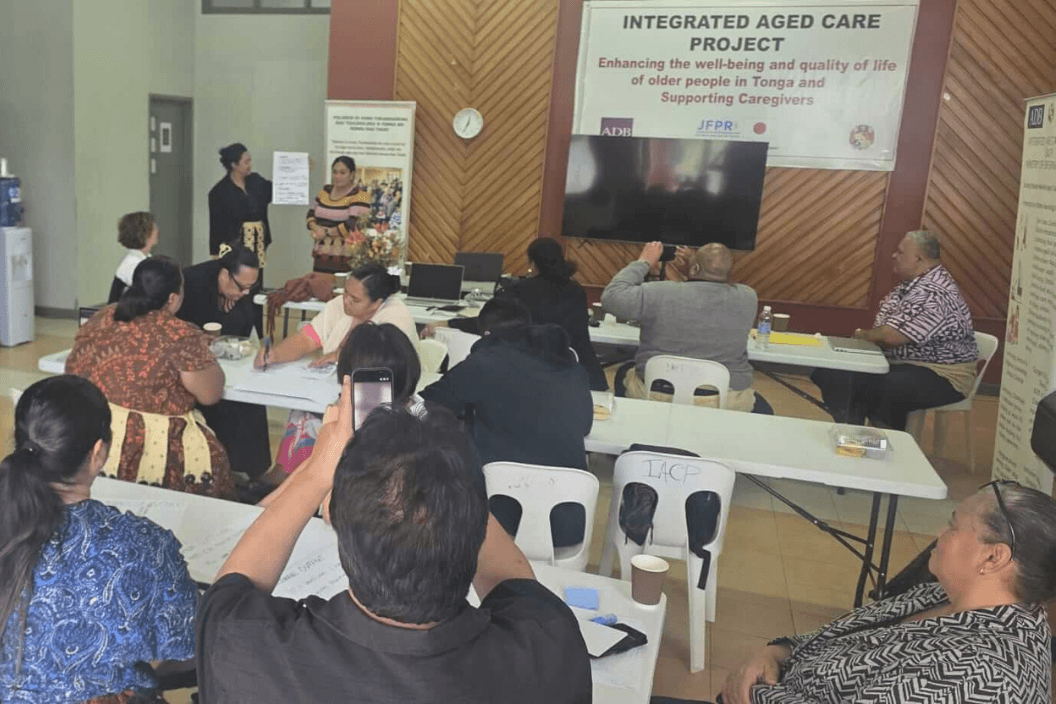
Lattanzio KIBS has been appointed to design and deliver an independent and rigorous monitoring and evaluation system to measure the project’s results and impact throughout its entire lifecycle. The assignment includes the development of the evaluation framework, the evaluation matrix, and data collection tools, as well as the implementation of quantitative and qualitative surveys through a mixed-methods approach. The first field mission, carried out in August in the Kingdom of Tonga, made it possible to train the enumerators' team and to hold the first capacity-building workshop with the Project Management Unit, ahead of the start of baseline data collection in September.
Evaluation activities encompass a baseline assessment, a midline evaluation, and a final (endline) evaluation, in line with OECD-DAC criteria - impact, relevance, effectiveness, efficiency, and sustainability - with particular attention to cross-cutting dimensions such as gender, disability, and social inclusion.
The service also includes capacity building for the Project Management Unit (PMU) through training workshops on monitoring and reporting, alongside technical support for the drafting and verification of periodic reports and the validation of results through quality assurance processes and data triangulation. The assignment further the public dissemination of findings through a dedicated event, aimed at fostering institutional learning, sharing lessons learned, and promoting the replicability of the model in other Pacific contexts.
Project Impact
Through this project, the institutions involved are able to strengthen the quality and effectiveness of national aged care policies, ensuring evidence-based decision-making grounded in robust and verified data. The integrated approach contributes to improving the well-being of older persons and caregivers, enhancing community resilience to climate change, and promoting high standards of protection for vulnerable groups through the systematic integration of gender, disability, and social inclusion dimensions.
At a systemic level, the project strengthens local institutional capacities in monitoring, evaluation, and reporting, encouraging the adoption of good practices, institutional learning, and the dissemination of replicable models at the national level and, potentially, across other Pacific contexts.
Topics Evaluation | Health | Social development | Silver | Oceania
The Project
Client
Asian Development BankCountry
Oceania
Expertise
Social Development_eng
Work Areas
Health
Services
MONITORING & EVALUATION
Period
2025-2026Gallery